When mapping out a long-term professional trajectory, one question constantly surfaces: Is basic industries a good career path? The short answer is yes.
The long answer is that the sector is undergoing a massive transformation. We are no longer just talking about traditional mining, agriculture, or oil extraction. Today, basic industries are the foundation of the global economy, integrating advanced logistics, sustainability mandates, and high-tech engineering.
Expert Insight: The Human Element in a Tech-Driven Sector As the founder of GlobeMonitor Market Research Agency, I analyze global supply chains and sector viability daily. While automated tools try to predict market shifts, basic industries remain deeply human. The physical extraction, processing, and strategic management of natural resources require high-level human oversight, relationship building, and nuanced risk assessment that AI simply cannot replicate. Building a career here means building a career in the immovable bedrock of the global economy.
- What Are Basic Industries?
- What are the best paying jobs in basic industries?
- The Green Transition: Sustainability and Future-Proofing
- Pros and Cons of a Career in Basic Industries
- Why Choose a Career in Basic Industries?
- Is Basic Industries Right for You?
- Who Should Consider a Career in Basic Industries?
- Is Basic Industries a Good Career Path? (Our Expert Opinion)
- FAQs
What Are Basic Industries?
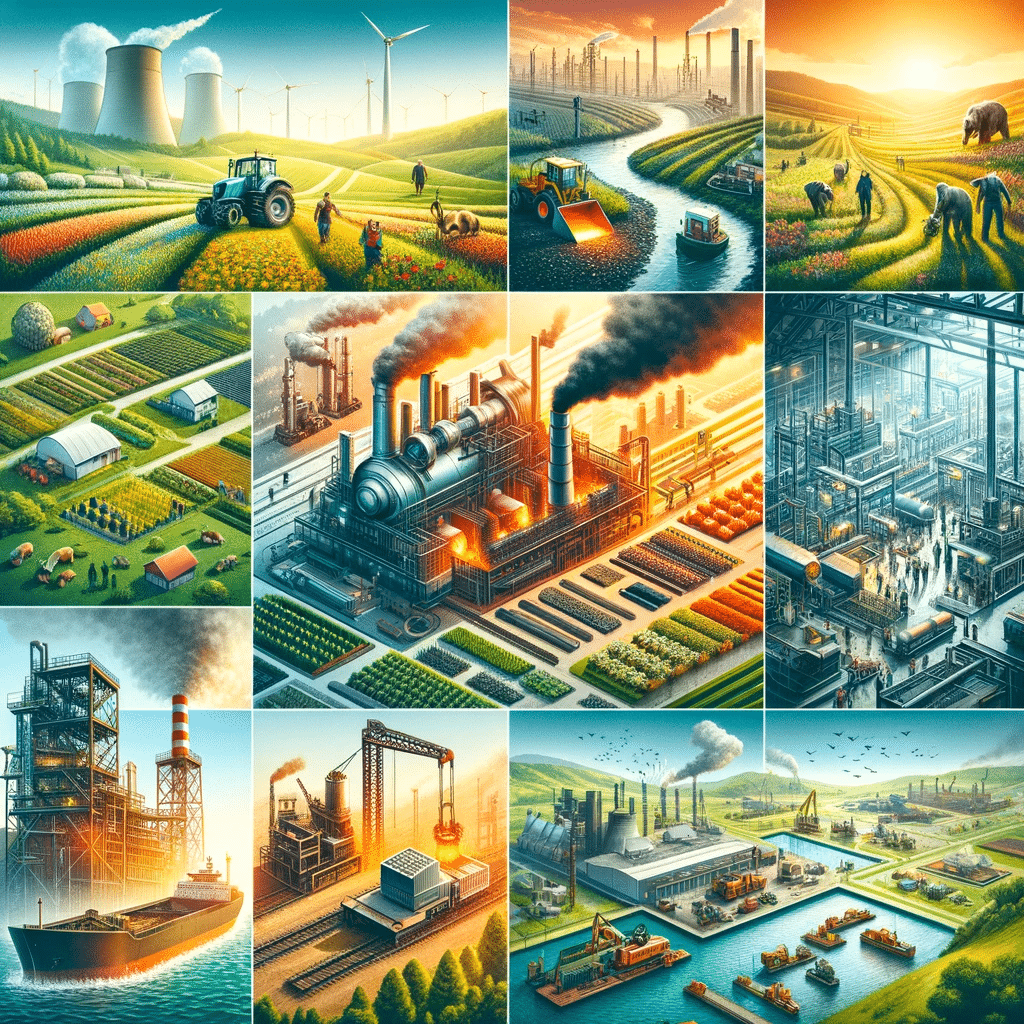
Basic industries, often called “primary industries,” are sectors involved in the discovery, extraction, and initial processing of raw materials. These materials become the building blocks for secondary manufacturing and consumer goods. The core sectors include:
- Agriculture & Forestry
- Mining & Metallurgy
- Energy (Oil, Gas, and Renewables)
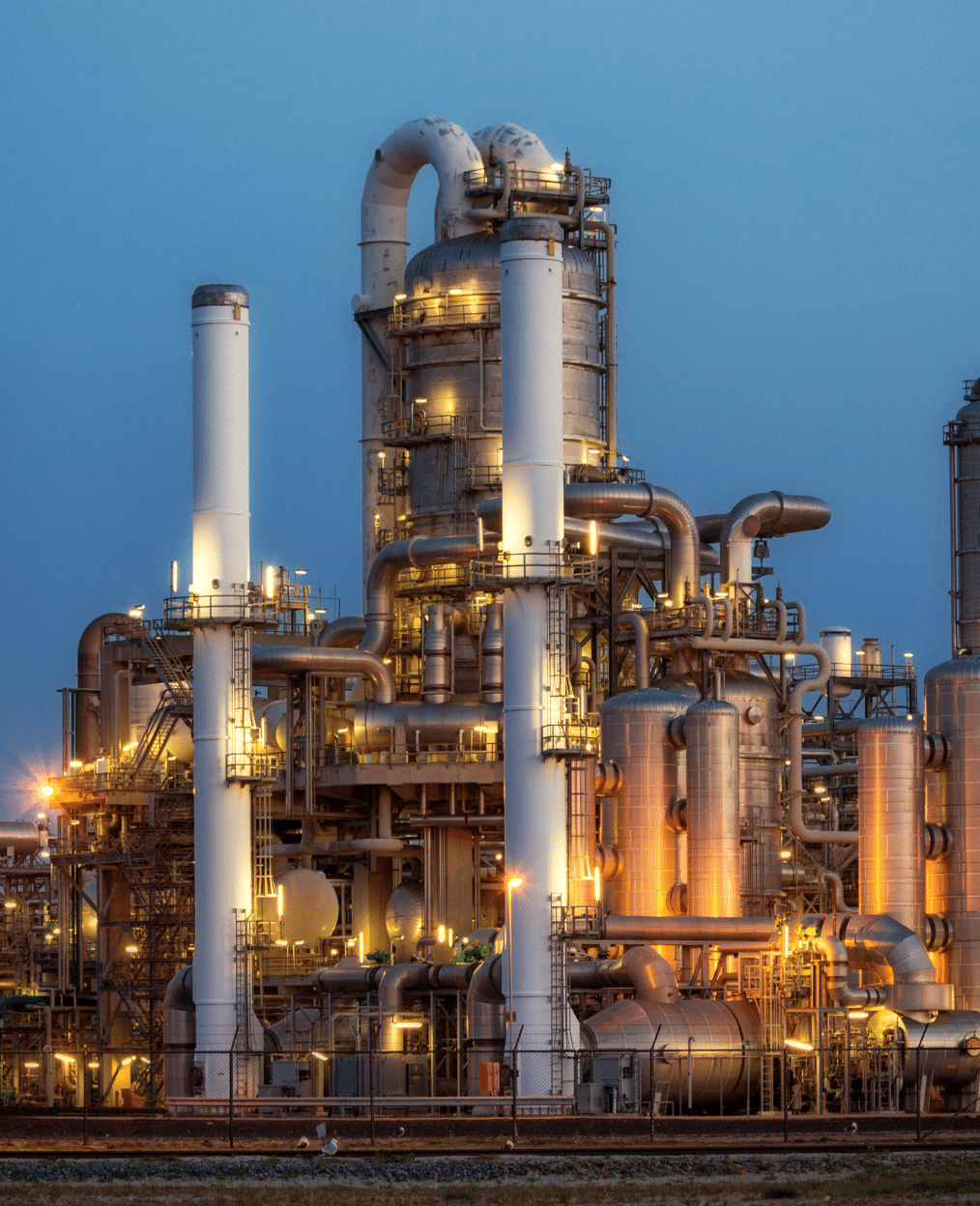
- Chemicals & Petrochemicals
- Paper & Pulp
Top Employers in the Sector
Working in this space often means aligning with massive, globally recognized entities. Top employers driving the 2026 market include:
- Energy: ExxonMobil, Chevron, NextEra Energy
- Mining & Metals: BHP, Rio Tinto, Nucor
- Chemicals: BASF, Dow Chemical Company
- Agriculture: Cargill, Archer Daniels Midland (ADM)
What are the best paying jobs in basic industries?
The earning potential in this sector is highly competitive, especially for roles that bridge traditional engineering with modern efficiency standards. Here is a breakdown of the top-paying roles in 2026:
| Job Title | Average Salary (2026 USD) | Minimum Education | Growth Outlook |
| Petroleum Engineer | $135,000 – $160,000 | Bachelor’s Degree | Steady |
| Sustainability Manager | $115,000 – $145,000 | Master’s Degree | Very High |
| Metallurgist / Materials Engineer | $105,000 – $130,000 | Bachelor’s Degree | High |
| AI Operations Specialist (Mining) | $120,000 – $150,000 | Bachelor’s/Master’s | Explosive |
| Health & Safety Director (HSE) | $110,000 – $140,000 | Bachelor’s Degree | Steady |
| Geoscientist | $95,000 – $125,000 | Bachelor’s Degree | Moderate |
The Green Transition: Sustainability and Future-Proofing
If you are entering the sector now, you are entering at the height of the Green Transition. Basic industries are heavily investing in decarbonization, making “Green Jobs” the most lucrative and secure paths available.
Instead of traditional extraction, massive capital is flowing into:
- Carbon Capture and Storage (CCS): Technicians and engineers who design systems to trap emissions before they hit the atmosphere.
- Biomethane & Renewable Natural Gas: Converting urban and agricultural waste into viable energy (a massive growth area in both European and Asian markets).
- Circular Economy Logistics: Managing the lifecycle of materials so that scrap metals, plastics, and chemicals are repurposed rather than discarded.
Pros and Cons of a Career in Basic Industries
To make an informed decision, it helps to look at the realities of the day-to-day work environment.
The Pros:
- Economic Stability: No matter what happens in the tech or finance worlds, humanity will always need food, energy, and building materials.
- High Starting Salaries: Because many roles require specialized STEM knowledge or a willingness to work in the field, entry-level compensation is exceptionally strong.
- Global Mobility: The skills learned in a Brazilian mining operation or an American chemical plant are highly transferable to projects in Europe, the Middle East, or Asia.
The Cons:
- Market Cyclicality: While the industry is stable, it is tied to commodity pricing. A crash in oil or steel prices can lead to temporary hiring freezes.
- Location Constraints: Unlike digital marketing or software, you cannot extract copper from a laptop in a coffee shop. Many high-paying roles require relocation to industrial hubs or remote field sites.
- Safety Risks: Field roles carry inherent physical risks, though strict HSE (Health, Safety, and Environment) regulations have made modern sites safer than ever.
Why Choose a Career in Basic Industries?
Choosing a career in basic industries can be a rewarding decision, especially for individuals who value stability, diversity in job roles, and opportunities for growth.
Here are the key reasons why basic industries could be a great career path:
1. Job Stability
One of the most attractive aspects of working in basic industries is job stability. These industries produce essential goods, such as food, energy, and raw materials, that are always in demand. Whether in times of economic growth or downturn, basic industries remain crucial to society’s functioning.
If you’d like to dive deeper into the outlook for basic industries, our Industry Analysis provides a comprehensive overview.
2. Diverse Career Opportunities
Basic industries offer a wide range of career paths across various sectors. Whether you’re an engineer, a production worker, or a quality control specialist, there are numerous roles to suit different skill sets and educational backgrounds.
Additionally, fields like mining, agriculture, and manufacturing offer career growth opportunities, often starting from entry-level positions and progressing to supervisory or managerial roles. To get an idea of what kinds of companies operate in this field, visit our guide on What Companies Are in the Basic Industries Field.
3. High Pay Potential
While some roles in basic industries may not require advanced degrees, many positions offer competitive salaries. For instance, high-paying jobs such as petroleum geologists, industrial engineers, and safety managers can offer salaries ranging from $70,000 to over $150,000 annually, depending on experience and location. Some of the best-paying jobs can be found in sectors like energy production, mining, and manufacturing. You can explore specific high-paying roles in our detailed post on the Best Paying Jobs in The Basic Industries.
4. Technological Growth
Basic industries are evolving rapidly, with advancements in automation, artificial intelligence, and sustainability creating new job roles and opportunities. Automation has revolutionized manufacturing and mining, improving efficiency while reducing manual labor. Meanwhile, sustainability trends are pushing industries to adopt greener practices, opening up careers in renewable energy, environmental engineering, and sustainable agriculture.
According to Statista, as of July 2025, industries related to basic industries, such as manufacturing, construction, agriculture, and mining, represented a significant portion of the U.S. labor market. Specifically, manufacturing accounted for about 15.6 million job openings, while construction had around 11.9 million. The agriculture and related industries reported 2.26 million job openings, and mining, quarrying, and oil and gas extraction had approximately 590,000 openings.
Is Basic Industries Right for You?

Deciding if a career in basic industries is the right fit involves understanding the nature of the work, the skills you’ll develop, and the opportunities for long-term growth. Here’s what you should consider:
1. Hands-On Work
Many roles in basic industries involve physical labor, which makes them suitable for individuals who prefer hands-on tasks and enjoy working in dynamic environments. Whether it’s operating machinery in a manufacturing plant, working on a farm, or mining for raw materials, these jobs often require physical stamina and a willingness to work outdoors or in industrial settings. If you enjoy practical, problem-solving tasks and thrive in active, non-desk environments, a career in basic industries might be ideal for you.
However, it’s important to recognize that some roles can be physically demanding and involve exposure to challenging conditions, such as extreme weather or heavy machinery. Those who seek more sedentary, office-based jobs may want to explore other sectors.
2. Skill Development
A career in basic industries offers numerous opportunities to develop highly transferable skills. From technical knowledge like machinery operation and safety protocols to soft skills such as problem-solving and project management, workers in this sector gain competencies that are valuable across various industries.
For example:
- Problem-solving: Whether troubleshooting equipment in a factory or addressing environmental challenges in mining, problem-solving is a daily aspect of many jobs in basic industries.
- Technical expertise: Learning to operate advanced machinery, interpret blueprints, or manage production lines builds critical technical skills.
- Project management: As you advance in your career, project management skills become essential, particularly in overseeing teams, managing resources, or ensuring that large-scale production processes run smoothly.
The hands-on nature of many roles also allows for real-time learning and on-the-job training, making it a good fit for those who prefer learning by doing.
3. Career Growth
The potential for career advancement in basic industries is significant, particularly for those who are willing to gain experience, develop specialized skills, and take on leadership responsibilities. Many industries, such as manufacturing, mining, and agriculture, offer clear progression paths. Starting in entry-level positions such as production workers or technicians, it is possible to advance to roles like supervisors, managers, or even operations directors.
For individuals interested in higher-level roles, there are options to move into fields such as environmental management, safety supervision, or process engineering, where both responsibilities and salaries increase substantially. The diversity of roles within basic industries allows for growth both vertically and laterally, depending on your interests and strengths.
To understand the range of available jobs and growth opportunities, you can check out our post on How Many Jobs Are Available in Basic Industries, where we explore the current job market and the future outlook for the industry.
Who Should Consider a Career in Basic Industries?
A career in basic industries is well-suited for individuals who have a strong work ethic, enjoy working with their hands, and have an interest in technical roles. This field often demands practical skills, attention to detail, and the ability to adapt to challenging environments. Those who are comfortable with physically demanding work and appreciate the satisfaction of producing tangible goods, such as raw materials or energy, will likely excel in basic industries.
People who thrive in technical environments, where machinery and tools are essential parts of the job, would also find this career path appealing. These roles require problem-solving abilities, as many tasks involve troubleshooting and maintaining complex systems. Additionally, basic industries often provide the opportunity to work in dynamic, fast-paced settings, whether it’s on a construction site, in a factory, or in the energy sector.
While some sectors within basic industries, like mining or agriculture, can be physically demanding and may involve working in harsh conditions, the long-term rewards can be significant. Many positions offer clear career progression, moving from entry-level roles to management positions over time, without requiring advanced degrees. This path can be especially rewarding for those who are motivated to learn on the job, as the experience gained in basic industries is often highly transferable to other sectors.
For individuals with resilience, adaptability, and an interest in seeing the direct impact of their work, basic industries can provide a fulfilling and stable career. While some sectors may present challenges, such as market volatility or environmental impact concerns, they also offer the opportunity to work at the heart of industries that are essential to the global economy.
To learn more about the industries that form the backbone of the global economy, visit our post on Basic Industries Examples: 4 Pillars of Global Prosperity.
Is Basic Industries a Good Career Path? (Our Expert Opinion)
Yes, a career in basic industries is an excellent choice, especially for individuals who enjoy hands-on work and solving complex problems. Basic industries, which include fields like mining, agriculture, and energy production, play a pivotal role in the global economy by providing essential raw materials.
These industries offer abundant opportunities for both entry-level workers (no degree required) and experienced professionals, with career paths leading to highly lucrative positions. Furthermore, many roles provide steady career growth, job security, and the satisfaction of contributing to fundamental sectors of the economy.
FAQs
Is it hard to get a job in basic industries?
It depends on the role. Entry-level labor and operations roles are frequently hiring. Specialized engineering, geoscience, and sustainability roles are highly competitive and typically require a relevant Bachelor’s or Master’s degree.
Do basic industries offer remote work?
Corporate, strategic management, and market research roles within these companies (such as analyzing renewable energy pricing or industrial manufacturing costs) often offer hybrid or remote flexibility. However, field operations, site management, and hands-on engineering require on-site presence.
What Are the Challenges of Working in Basic Industries?
While basic industries offer numerous advantages, they also come with challenges. Many jobs in these sectors involve physically demanding work and exposure to potentially hazardous environments, especially in fields like mining or construction. Additionally, some industries are vulnerable to market fluctuations, which can affect job security. Environmental concerns are also an issue, as sectors like manufacturing and mining have a significant impact on the planet, prompting stricter regulations and sustainability efforts.
Is Basic Industries a Good Career Path in 2026?
Yes, basic industries are a solid career path in 2026, especially for individuals seeking job stability, diverse opportunities, and potential for growth. These industries, which include sectors like agriculture, mining, manufacturing, and energy production, provide essential goods and services that are always in demand. With advancements in technology and sustainability, basic industries are evolving, offering new career paths in areas such as automation and green energy. While some roles can be physically demanding, the long-term prospects and job security make it an appealing choice for many.
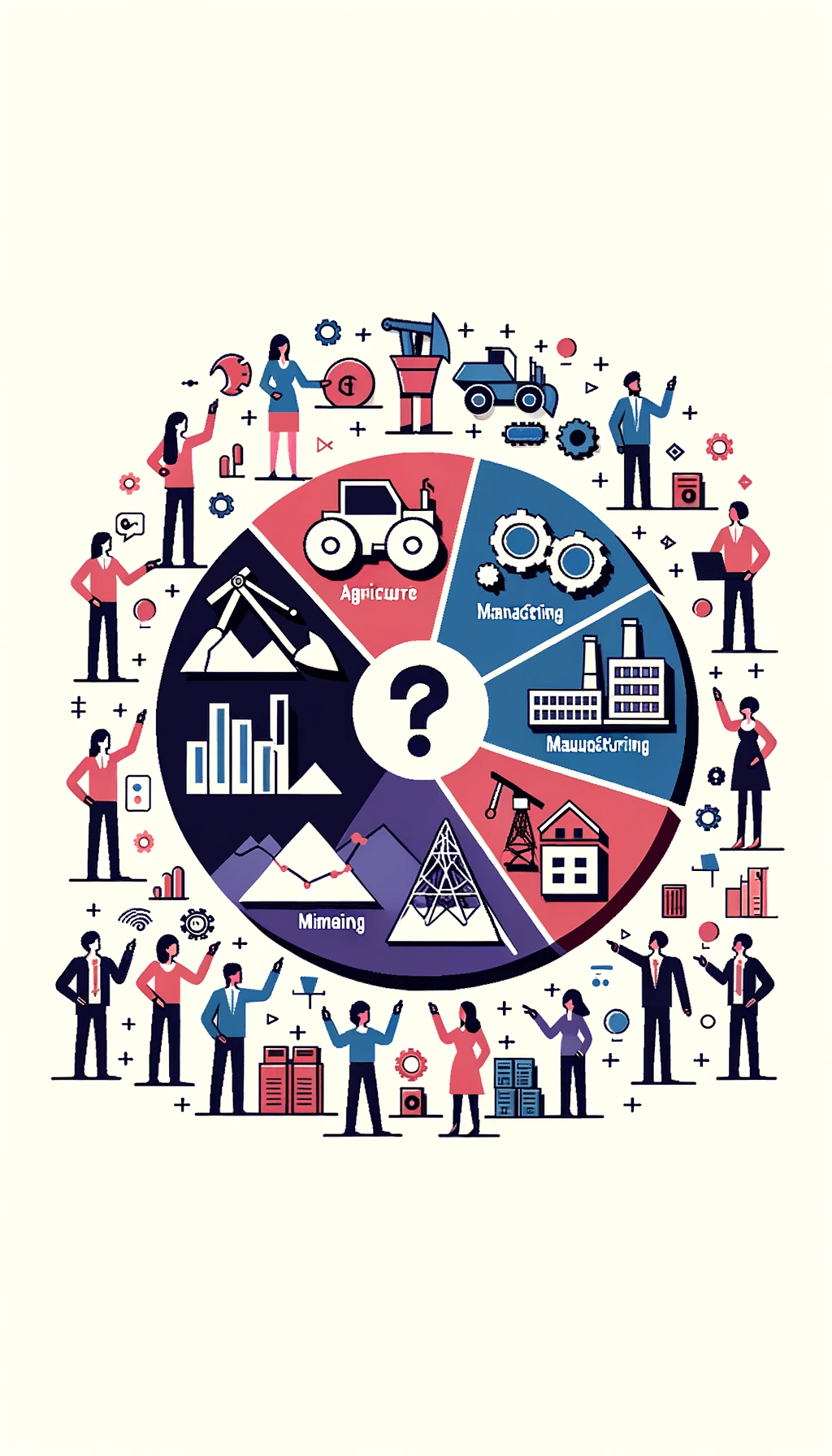
A quick overview of the topics covered in this article.
Latest Posts

October 16, 2026

October 16, 2026

About the Author: Bassem Mostafa

Subscribe to our newsletter
Get valuable insights and business guidance sent to your email.